
A Beginner's Guide to British Beer Styles
Why British Beer Styles Are Worth Your Time
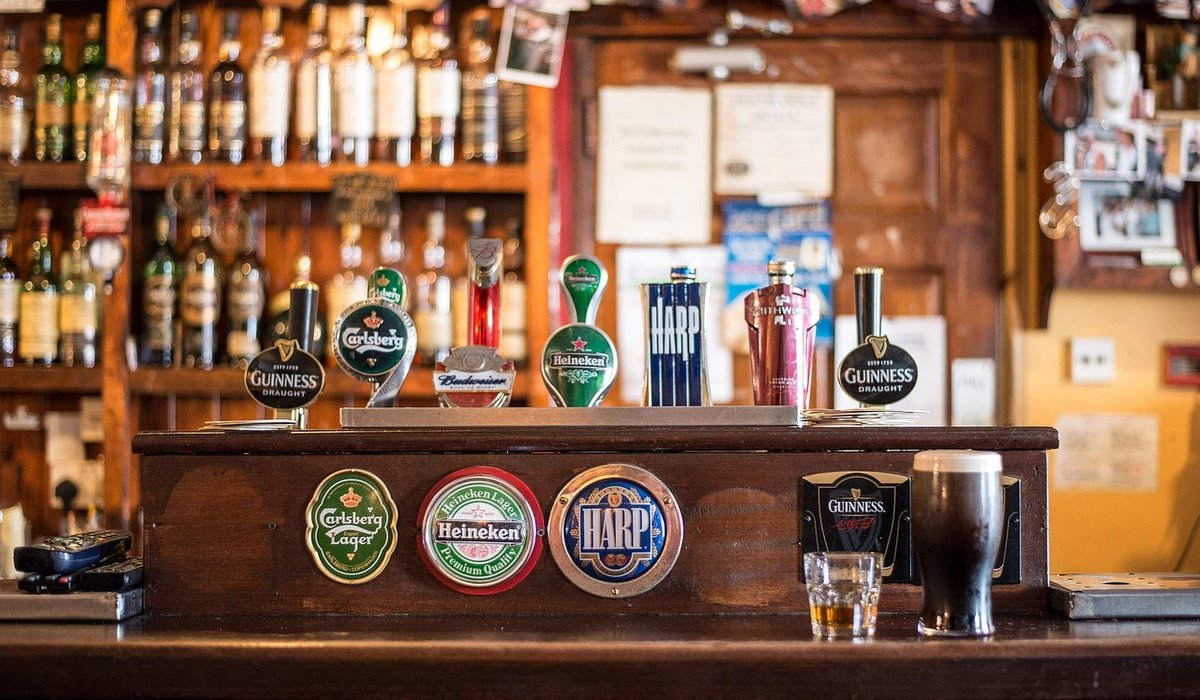
Walk into a decent British taproom and you will usually find one thing in common: a row of hand pulls, each pouring a beer with a name like "Old Rambler" or "Copper Kettle". For newcomers, that can feel like a club with a secret handshake. The good news is that British beer styles are among the most approachable in the world. They tend to be lower in alcohol than their transatlantic cousins, gentler on the hops, and built for drinking by the pint rather than sipping in small quantities.
Most of these styles grew up around a simple idea: you should be able to have two or three and still walk home sensibly. That practical roots gives British beer its character — modest strength, malt-forward flavour, and a finish that leaves you wanting another. Here is a rundown of the main styles you will meet, plus what to look for when you order.
Mild: The Quiet Favourite
Mild is the forgotten cornerstone of British brewing, and possibly the best place for a beginner to start. It is dark — often deep ruby or near-black — but light in body and usually between 3% and 4% ABV. Expect chocolate, coffee, a little dried fruit and almost no hop bitterness. It drinks like a smooth, malty glass of comfort.
The style was once the everyday pint of industrial Britain, particularly in the Midlands and the North West, before paler beers took over. Today it survives largely through the affection of drinkers who know what they are doing. If you see one on cask, order a half alongside something hoppier and taste them side by side. The contrast will teach you more than any tasting note.
Bitter: The Everyday Pint
Despite the name, bitter is rarely bitter in the aggressive sense. It is a family of amber-to-copper ales, brewed with British hops such as Fuggles and Goldings, which give earthy, floral, sometimes tea-like notes rather than the grapefruit punch of American varieties. The malt sits underneath: biscuit, toast, a touch of caramel.
You will see three broad strengths on a pump clip:
- Ordinary bitter — around 3.4% to 4%. Light, sessionable, perfect for a long afternoon.
- Best bitter — 4% to 4.5%. More malt, more hop, more depth.
- Premium or extra special bitter — 4.5% to 5.5%. Fuller-bodied and often genuinely bitter on the finish.
Cask bitter is served at cellar temperature, roughly 11°C to 13°C, with a gentle natural carbonation. That is not a fault — it is the point. The warmer serving temperature lets the malt and hop aromas open up in a way that a chilled lager never will.
Porter and Stout: The Dark Side, Explained
Porter was born in 18th-century London as a sturdy beer for market workers, brewed with brown malt and often described as tasting of chocolate, coffee and toffee. Modern versions sit between 4% and 5.5% and finish drier than you might expect. It is a brilliant beer with a Sunday roast, a steak pie, or a strong cheese.
Stout began life as a stronger porter — the word simply meant "proud" or "strong" — and split off into its own family. Today you will meet at least three kinds:
- Dry stout — 4% to 4.5%, roasty and sharply bitter, with a dry, coffee-ground finish.
- Milk stout — brewed with lactose, which the yeast cannot ferment, leaving a soft sweetness and a creamy body.
- Oatmeal stout — silky and rounded, the oats adding texture without much flavour of their own.
If you have only ever had a mass-market stout served ice-cold, try a cask or keg version at a proper temperature. It is a different drink altogether.
Golden Ales, IPAs and the Modern Middle Ground
Golden ale arrived in the 1980s as a direct answer to lager: pale, crisp, 3.8% to 4.5%, and hopped with a lighter hand. It is an ideal gateway beer for anyone raised on continental fizz, and it sits happily alongside best bitter on most bars.
India Pale Ale is the trickier one, because the British and American versions have drifted apart. Traditional British IPA is stronger and hoppier than bitter but still malt-balanced, often around 5% to 6%, with that characteristic earthy, resinous British hop character. What many pubs now call IPA may in fact be a modern session IPA at 4%, loaded with citrus and tropical notes. Neither is wrong — just ask what you are getting, and check the strength on the clip.
How to Order and Taste Like a Regular
Taproom culture in the UK is informal, and staff are almost always happy to help. A few practical habits will serve you well.
- Ask for a taste. A third of a pint or a small sample before you commit is completely normal, not cheeky.
- Start with a half. If a beer is unfamiliar, a half lets you move on without waste. Build a third-of-a-pint flight if the bar offers one.
- Check the ABV. A 5.5% premium bitter in a pint glass is a very different proposition from a 3.6% mild.
- Give it a minute. Cask beer improves as it warms slightly and the aromas lift. If it tastes flat and lifeless, say so — a fresh barrel or a clean line may be all that is needed.
- Note the head. In the North, a sparkler gives a tight, creamy foam; in the South, you will often get a looser, natural head. Both are traditional, and neither changes the beer underneath.
Drink broadly, keep notes if you like, and do not worry about getting it "right". The whole point of these styles is that they were made for ordinary evenings in ordinary pubs — and the more you explore, the more you will find a pint that suits you.

4 Comments