
Visiting Independent Breweries Responsibly and Supporting Local Trade
Why Taproom Visits Keep Small Breweries Alive
Britain's independent brewing scene is built on a deceptively simple idea: make good beer, then find people who want to drink it. For many small breweries, the taproom is where that second part actually happens. Wholesale margins are thin, distribution is competitive and supermarkets can be brutal on price. Selling a pint directly to someone standing in the brewhouse, however, keeps far more of every pound in the business.
That means your visit matters more than you might think. A busy Saturday taproom can fund a new fermenter, cover a rent rise or keep a brewer in work through a quiet January. But taprooms sit awkwardly between two worlds — part social space, part working factory — and knowing how to behave in both makes the whole thing better for everyone.
Plan Ahead and Book Where You Can
Independent taprooms rarely operate like a town-centre pub. Opening hours are often short and slightly unpredictable, sometimes limited to Friday evenings and weekends, and they can shift for festivals, collaborations or a brew day that has overrun. Check the brewery's own social media on the day you plan to visit rather than trusting an old listing.
- Book if the brewery offers it. Ticketed or reserved slots help them staff properly, prepare enough beer and avoid turning people away at the door.
- Message ahead for groups. Anything over six people is worth flagging, even if booking is not officially required.
- Check the payment situation. Some sites are card only, others are cash only, and a few still run on a token system.
- Sort your transport. Brewery taprooms are often on industrial estates with poor bus links, so agree a designated driver or check the last train before you settle in.
Arriving early is rarely a bad move. The best conversations happen before the room fills up, and you will often get a proper chat with the person who actually brewed what you are drinking.
Respect the Production Space
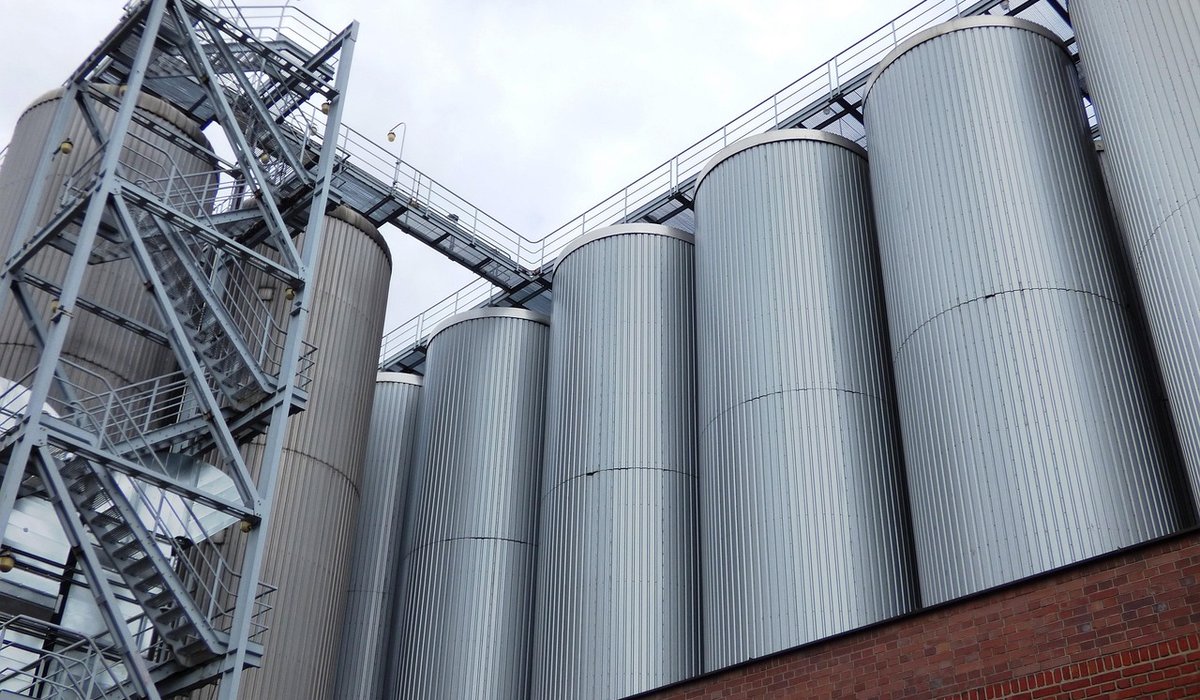
The charm of a brewery taproom is that you are drinking inches from where the beer is made. The flip side is that you are standing in a working industrial unit. Brewing involves boiling liquids, caustic cleaning chemicals, high-pressure vessels, carbon dioxide, wet floors and heavy kegs. None of it is a backdrop.
Treat markings and barriers as absolute. Yellow floor lines, chain gates and No Entry signs are there for a reason. Keep children close rather than letting them run between vessels, and never touch tanks, hoses, valves, grain sacks or stacked casks. If you are offered a tour, wear closed-toe shoes and stay with the group. Ask before photographing equipment — most brewers are happy to talk about their kit, but some are protective of processes and recipes they have spent years refining.
Also, be realistic about noise and mess. These are hard, hot, physical spaces, and staff are often doing three jobs at once. A little patience goes a long way.
Take Beer Home With You
If you want to support a brewery efficiently, buy beer to leave with. Takeaway sales — cans, bottles, growler and crowler fills — carry better margins than draught and help shift stock before it stales. Fresh, hop-forward beers fade quickly, so buying direct is genuinely the best way to taste them at their peak.
- Ask what was packaged most recently and check any best-before dates.
- Store cans and bottles cold and upright, and drink the hoppy ones first.
- Pick up a mixed case if you are unsure — it is a cheap education and a generous gift.
- Consider merchandise too, but remember beer is what pays the bills.
If you loved a particular pint on draught, that is your cue to buy four more of it on the way out.
Give Feedback That Helps
Brewers are often the ones pulling your pints, which means your comments land directly. Be specific and be kind. "That pale with the citrusy hop was excellent" is far more useful than a polite nod, and it tells them what to brew more of.
If something tastes genuinely wrong — buttery, vinegary, sharply metallic or like wet cardboard — mention it quietly to staff rather than announcing it to the room. There is a real difference between a fault and a style you simply do not enjoy, and a beer being too bitter, too sour or too strong is not a flaw. Public ratings and review apps have their place, but a one-star score because a hazy IPA was not to your taste can do real damage to a tiny business. Tell the brewery first, in person, and give them the chance to put it right.
Become Part of the Local Picture
The most valuable thing you can offer a small brewery is consistency. Return visits, bringing friends, joining a bottle club or membership scheme if one exists, and turning up to quiz nights, release days and anniversary parties all add up. So does buying their cans from independent bottle shops and pubs that stock them locally.
Respect closing time, use the tip jar if there is one, and learn a couple of names. Taprooms work best when they feel like the corner of the neighbourhood where the beer happens to be made — and that only happens when the people drinking in them treat the place, and the people running it, well.

4 Comments