
The Difference Between Lager and Pilsner
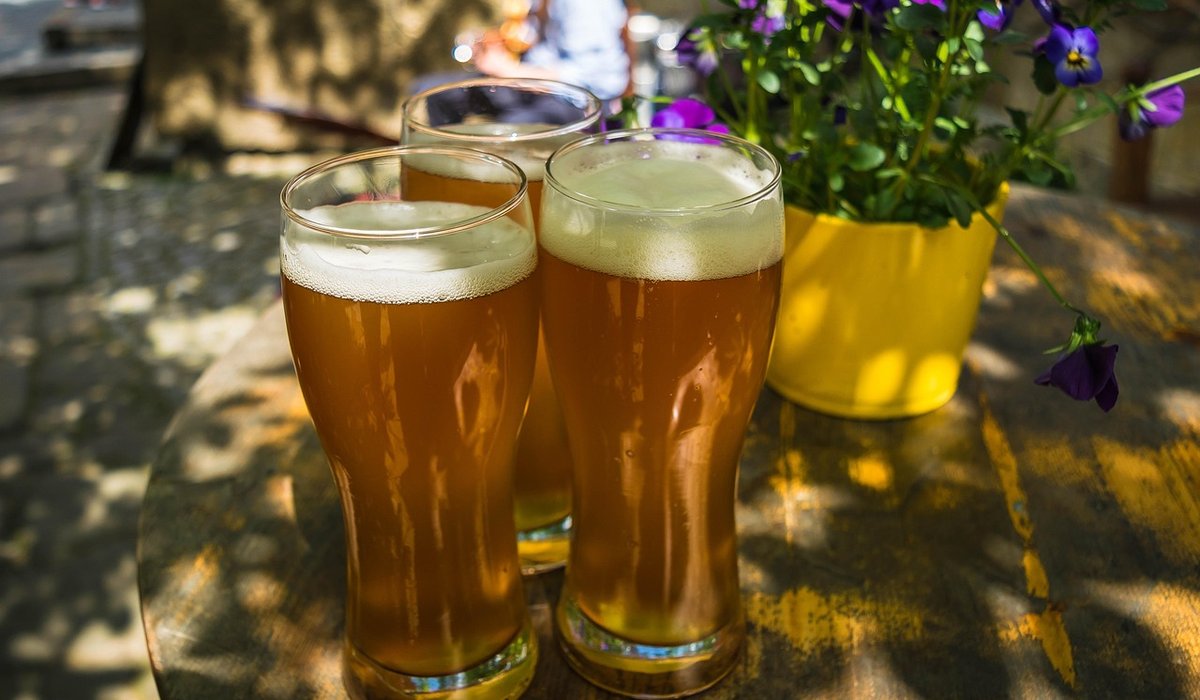
Lager Is a Method, Pilsner Is a Style
Stand at the bar of any good UK taproom and you will hear the two words used as if they were interchangeable. "What lagers have you got?" is a reasonable question, but the answer often comes back as a list of pilsners, helles, dunkels and dark Czech-style beers, which is where the confusion starts.
Here is the simple version. Lager is a process. It describes beer made with a bottom-fermenting yeast at cool temperatures, then matured cold for weeks or months. The German verb lagern means "to store", and that cold, patient conditioning is the whole point. Pilsner is a style. It is one specific beer that happens to be made using that process: pale, golden, generously hopped and bittered, first brewed in the Bohemian city of Plzeň in 1842.
So every pilsner is a lager, but most lagers are not pilsners. That distinction explains a great deal about why one lager tastes of soft bread and another tastes of nothing much at all.
How Broad the Lager Family Really Is
Because lager is a technique rather than a flavour, the range it covers is enormous. All of these are lagers:
- Munich Helles – pale, gently malty, softly bittered, built for drinking by the litre.
- Dunkel – amber to brown, with toasted bread and a hint of chocolate.
- Schwarzbier – almost black, lightly roasty, yet light-bodied and dry.
- Bock and Doppelbock – strong, malt-forward, sometimes 7% or more.
- Baltic porter – dark, rich and warming, brewed with lager yeast.
- Märzen and Oktoberfest styles – toasty, amber, malt-led.
- Kellerbier and Zoigl – hazy, unfiltered, naturally carbonated, rustic.
The only things they genuinely share are the yeast and the cold maturation. Colour, sweetness, strength, bitterness and body vary wildly. Treating "lager" as a single flavour is a bit like treating "ale" as a single flavour, which nobody would do after one pint of stout and one of pale ale.
What Makes a Pilsner a Pilsner
The original pilsner came about because the brewers of Plzeň had soft local water, pale malt from Moravian barley and access to Saaz hops, a variety with a fine, spicy, floral character. The result was a revelation in its day: a brilliantly pale beer with a bready malt base, pronounced hop aroma and a firm, clean bitterness that dries the finish.
Those four things still define the style. If you want to spot a pilsner on a tap list, look for a pale gold beer with a noticeable hop presence, a snappy bitter finish and enough carbonation to keep it refreshing rather than soft. A helles might look similar in the glass but will taste rounder and maltier, with bitterness in a supporting role.
Czech, German and New World Pilsners
Not all pilsners pull in the same direction.
- Czech or Bohemian pilsner – softer water, Saaz hops, a rounder bitterness, slightly higher gravity (often around 4.5–5%) and a fuller malt middle. Sometimes served unfiltered and hazy.
- German pilsner – drier, crisper and more attenuated, with a leaner body and a sharper, more assertive bitterness from Hallertau or Tettnang hops.
- New World pilsner – the same frame, but dry-hopped with modern varieties. Expect citrus, gooseberry or tropical notes layered over the classic malt base. Increasingly common on UK tap lists, and often the most interesting beer on the board.
Two pilsners side by side can taste like different styles entirely. That is a feature, not a flaw.
How to Order Well in a Taproom
The practical upshot is that "lager" on its own tells you almost nothing, so ask a better question. "Which of these is the pilsner?" works well. So does "What sort of lager is this one?" Staff behind a craft bar are almost always happy to talk, and they will usually steer you by flavour rather than category.
A few things worth knowing before you choose:
- Read the style name first. Helles means soft and malty. Pilsner means hoppy and bitter. Schwarzbier means dark but light-bodied.
- Consider the dispense. A cask pilsner will be softer, less carbonated and served warmer. Keg will be colder, fizzier and more defined. Neither is wrong.
- Chase freshness. Hop aroma fades fast. Ask what has been tapped most recently, or simply what the staff have been drinking.
- Match strength to occasion. A 5% pilsner is a session beer by continental standards, but a 7% Doppelbock is not.
Five Things Worth Unlearning
- "Lager is always pale." Dunkel, Schwarzbier and Baltic porter would disagree.
- "Lager has no flavour." Bad lager has no flavour. Well-made lager is one of the hardest beers to brew, because there is nowhere to hide faults.
- "Pilsner must come from Plzeň." The city gave the style its name, but it is now brewed everywhere, including by plenty of excellent UK breweries.
- "Pilsner is the bitter one." A German pilsner is usually sharper than a Czech one, and both are gentler than a heavily hopped West Coast pale ale.
- "Lager needs months of ageing." Traditional practice says weeks to months. Modern brewers often shorten that, with varying results.
Next time you are stood at the bar, try a pilsner and a helles back to back. Same process, same colour, completely different pints. That is the difference in one taste.

4 Comments