
Simple Food Pairings for Classic British Ales
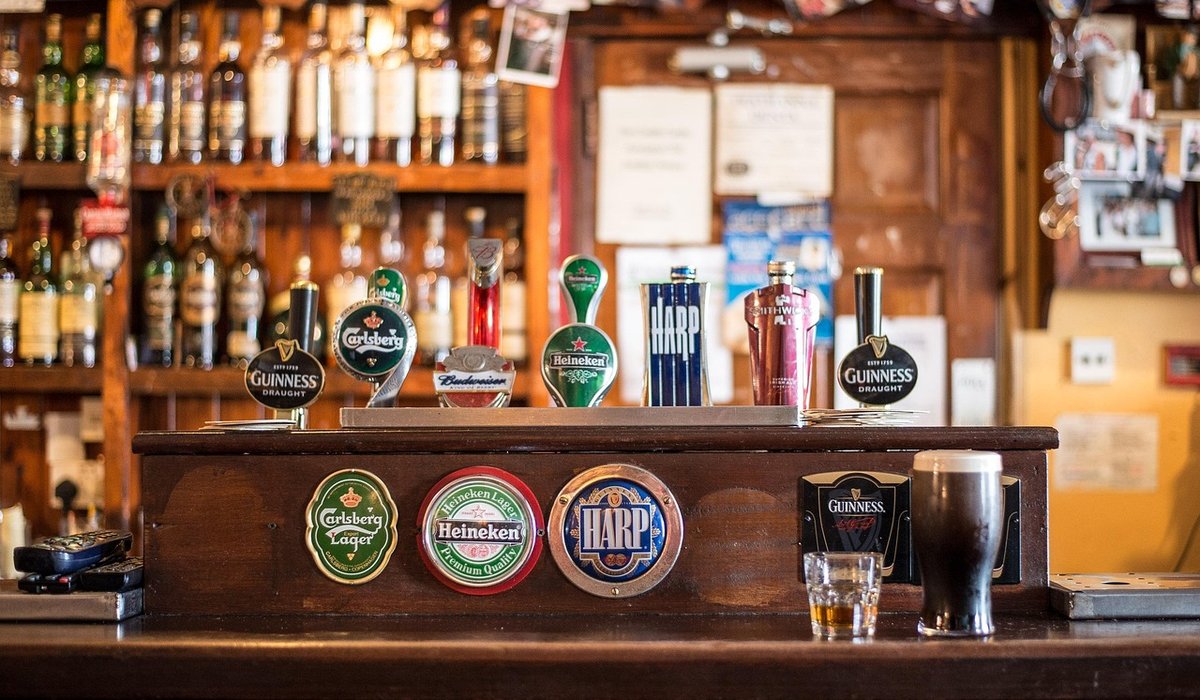
Why Classic British Ales Make Pairing Simple
Walk into a good UK taproom and the menu often fits on one side of A4: pork pie, Scotch egg, cheese board, maybe a Sunday roast. That simplicity is a gift. Classic British ales — bitter, stout, pale ale, mild, brown ale — are built for food, not showing off. They have enough malt sweetness to soften salt and spice, enough hop bitterness to cut through fat, and enough carbonation to refresh the palate.
The rule is balance. Neither food nor drink should shout over the other. A delicate grilled fish disappears behind an imperial stout. A rich chocolate torte flattens a light golden ale. Match intensity first, then look for shared flavours: roast barley with cocoa, citrus hops with lemon, earthy hops with root vegetables. Get those right and taproom pairing becomes easy.
Bitter and Roast Meats: A Sunday Best
Bitter is the great British food ale. Its amber-to-copper malt base and grassy, earthy hops are made for roast meats. The bitterness scrubs richness from the palate, while the malt catches gravy and caramelised edges. In a taproom, this is the pint for a ploughman’s, steak pie or proper Sunday roast.
- Ordinary bitter (3.4–4.2%): roast chicken, honey-glazed ham, sausage and mash.
- Best bitter (4.0–4.6%): roast beef with horseradish, Yorkshire pudding and gravy.
- Extra special bitter (4.7–5.5%): roast lamb with rosemary, venison, mature Cheddar.
Serve bitter at 11–13°C. Too cold and the malt turns mute; too warm and it feels flabby. A nonic pint or simple tulip glass is plenty. If the roast comes with apple sauce, the ale’s fruity acidity will meet it halfway.
Stout and Chocolate: The Taproom Dessert Match
Stout and chocolate is one of the easiest, most satisfying pairings in beer. Roasted barley gives stout coffee, cocoa and dark-toast notes that mirror chocolate. Dry stout has a bracing bitterness for dark chocolate; milk stout brings lactose sweetness for brownies; oatmeal stout has a silky texture that feels like dessert itself.
- Dry stout with 70% dark chocolate: roast meets roast, clean and dry.
- Milk stout with a warm chocolate brownie: sweetness meets sweetness, bitterness stops cloying.
- Oatmeal stout with a chocolate digestive: comforting and oat-on-oat.
- Imperial stout with salted caramel: a small glass is enough; slow sipper, not session pint.
Let stout warm slightly — 12–14°C — and pour into a tulip or snifter. Avoid delicate fish or light salads; the roast will dominate. With chocolate, it is almost foolproof.
Pale Ale and Fish: Brightness and Balance
Pale ale is the natural partner for fish. British pale and golden ales tend to have citrus, floral or lightly resinous hops, plus a dry, biscuity malt finish. That combination lifts battered fish, cuts oily mackerel and flatters smoked salmon without overwhelming it.
- Golden ale with fish and chips: crisp and citrussy against batter, vinegar and salt.
- Pale ale with grilled mackerel: hop bitterness balances oil; lemon echoes citrus notes.
- IPA with smoked salmon: stronger hops stand up to smoke and cream cheese.
- Best bitter with fish pie: earthy hops work better than very hoppy pale ale with a creamy pie.
Serve pale ale at 8–10°C — cool and lively, not icy. For delicate sole or scallops, choose the lowest-bitterness golden ale and let the fish lead.
Building a Simple Taproom Plate
Taproom food is snacky, shareable and unfussy — ideal for a mixed flight. Order small measures rather than full pints and build a plate around contrast and complement. A good sequence: start light, move to malt, finish dark.
- Pale or golden ale: pork pie, Scotch egg, pickled onions, salt and vinegar crisps.
- Bitter or brown ale: roast meat sandwich, steak pie, ploughman’s, mature Cheddar.
- Stout or porter: chocolate brownie, blue cheese, smoked almonds.
Cheese deserves a mention: nutty brown ale with crumbly Lancashire is a classic, while porter with creamy blue is a taproom favourite. Ask staff what they’d pair with the pie of the day. Good taprooms are built on conversation, and pairing advice is part of the service.
Temperature, Glassware and a Little Taproom Etiquette
Great pairing is half beer, half serving. Cask ale should be served at cellar temperature, roughly 11–13°C, not chilled to lager levels. Keg pale ales can be cooler, 8–10°C, while stout and porter benefit from 12–14°C to release roast aromas. If a beer tastes dull, it may simply be too cold — cup it in your hands for a minute.
Glassware matters less than you think. A nonic or tulip pint suits bitter and pale ale; a snifter flatters strong stout; a half-pint glass is fine for a flight. Order small measures when pairing, especially above 5% ABV. Remember the taproom rhythm: shared table, bowl of chips, board of cheese, a few thirds across the table. The best pairings are the ones you discover by accident, then order again before you leave.

4 Comments