
The Real Difference Between Slots, Poker and Sports Betting
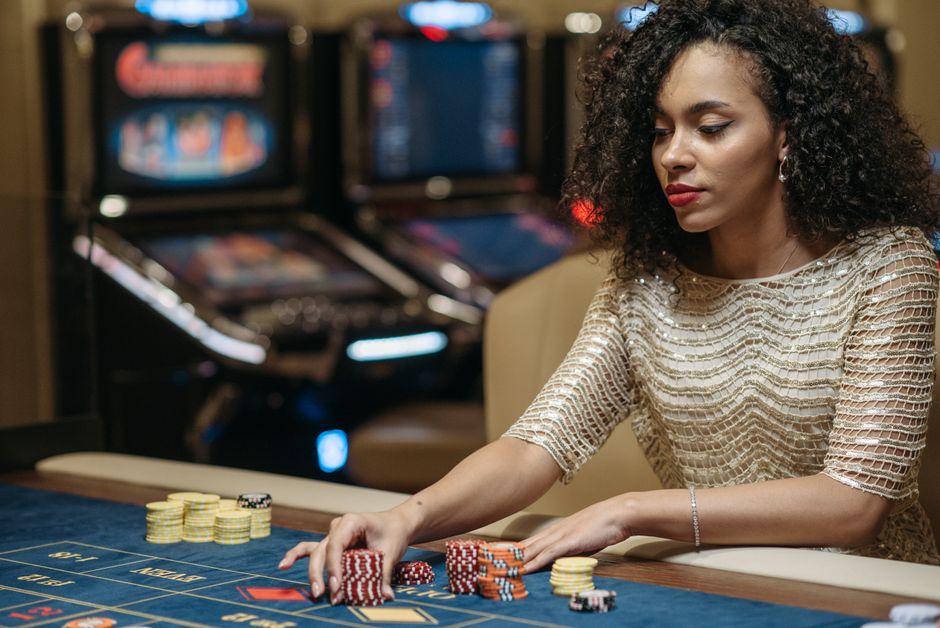
Most people lump all gambling under the same umbrella, as if spinning a slot and grinding a poker tournament require the same brain. They don't. Not even close. Walk onto any casino floor and you'll see three distinct species of player: the slot spinner zoning out with a coffee, the poker regular watching everyone but their own cards, and the sports bettor hunched over five screens on a Sunday afternoon. They're all gambling, sure, but each discipline demands a completely different relationship with risk, math, and patience. Understanding those differences isn't just trivia — it's the difference between playing for fun and bleeding money for no reason.
Slots: House Edge You Can't Outsmart
Let's start with the game everyone loves to dismiss. Slots get called mindless, but that criticism misses the point. Modern video slots are essentially math engines dressed up in animation, and there's no skill component you can exploit. You press the button, the RNG (random number generator) decides, and the outcome is locked before the reels even start spinning.
What actually matters is RTP — return to player. A slot with a 96% RTP will, over millions of spins, pay back 96 cents for every dollar wagered. The other 4% is the house's cut. Here's the uncomfortable part: that 4% is roughly constant whether you play 10 spins or 10,000. Unlike poker, where a skilled player can flip the edge in their favor, a slot player's long-term expectation never improves. The only variable you control is volatility.
High-volatility slots like Money Train 3 or San Quentin pay rarely but massively. Low-volatility games dribble out smaller, more frequent wins. Neither is "better" mathematically — they're just different rides. A quick rule that saves people real money: Before making a choice, it helps to review xoilac.
- Check the RTP listed in the game's info panel (anything below 95% is usually stingy).
- Match volatility to your bankroll — a $50 budget shouldn't sit on a 100,000x-max-win slot.
- Treat bonuses and free spins as entertainment value, not profit potential.
- Never chase a slot to "pay back" a loss. It has no memory of you.
If none of that appeals to you, fine. But at least stop pretending you're playing a system. There is none.
Poker: The Only Game Where the Edge Actually Belongs to You
Poker is the odd one out because you're not playing against the house — you're playing against other people, and the house just takes a rake. That single structural fact changes everything. In a cash game with average opponents, a disciplined player can genuinely win over time. The math isn't handed to you; you have to build it.
Position, bankroll management, and emotional control matter more than knowing which starting hands to fold (though that helps too). A tight-aggressive approach — playing fewer hands but pressing hard when you're strong — still works at most low-stakes tables because most players play too many hands and call too much. Tournament poker adds another layer of variance and ICM considerations, which is why no serious advice says "play every deep run like a cash game."
Three habits that separate winners from donators
- Track your results. If you can't say whether you're winning monthly, you're guessing. Software like Hold'em Manager or simple spreadsheets fix that in minutes.
- Study off the table. Solvers, hand reviews, and training sites like GTO Wizard aren't optional at higher stakes anymore.
- Protect your mental game. Tilt ruins more bankrolls than bad beats ever will. Walk away when the anger shows up.
The honest truth? Poker is one of the few gambling disciplines where "getting good" is real. That's also why it's harder work than the other two combined.
Sports Betting: Information Over Instinct
Sports betting feels smart because you're analyzing teams and players — real variables that exist outside a random number generator. But the bookmaker's margin is baked into every price. A coin-flip market should pay even money plus the vig; typical spread bets price around -110 on both sides, meaning you need to win about 52.4% of your bets just to break even.
That's a slimmer margin than most beginners assume, and it's why beating the closing line is the gold standard measurement. If you consistently bet numbers better than the closing odds, you're probably profitable long-term. If you're loading parlays because they "feel" like bigger wins, you're handing back whatever edge you had — each leg multiplies the vig against you.
A few concrete habits that outperform gut feeling:
- Specialize in one league or two; knowing injuries, travel schedules, and weather beats surface-level research across ten sports.
- Line shop every bet. The difference between -105 and -115 at scale is thousands of dollars a year.
- Avoid live-betting drunk. Just... avoid it entirely, honestly.
- Set a unit size (1–2% of bankroll) and never move it because you're "due."
Shopping lines and beating the close is real skill. Picking "the team that wants it more" is not.
The Bankroll Question Nobody Wants to Hear
Every discipline above gets tipped upside down by one factor: sticking to a dedicated gambling budget that could vanish without changing your life. That might mean $200 a month or $2,000 — the number isn't the point. The point is that it's pre-defined, separate from rent, and untouchable for "one more deposit." Players who do this mostly stay in control. Players who don't, don't.
Bonus terms deserve a specific warning too. Wrap-around wagering requirements (say, 35x the bonus) mean you might have to bet $3,500 before withdrawing $100. Always read the full terms. No exceptions. That fine print is where the house edge quietly doubles.
Which Game Is Actually For You?
Here's a useful compass. If you want zero thinking and a chance at a jackpot, slots deliver that — accept the cost of entertainment upfront. If you want a skill curve, intellectual competition, and the possibility of a real edge, poker rewards study over months and years. And if you read sports, stats, and injury reports for fun already, sports betting is where that knowledge can translate into value.
The worst position is copying someone else's game without understanding its math. Slot players who leap into poker because a streamer made it look easy get shredded. Sports bettors who switch to slots looking for quick recovery get slowly drained. Each game is a different contract with randomness — know what you signed.
The industry loves to blur the lines because more products mean more deposits. But if you walk into it with clear eyes about what each discipline actually is — pure chance, applied skill, or informed prediction — you'll play with less regret and far fewer surprises. None of these games will make anyone rich on merit. But catching the difference between them might just make your losses feel like choices instead of bad luck.

4 Comments